Europe faces harsh winters that challenge electric vehicle (EV) performance. In 2025, EU BEV sales hit 2.4 million units, up 18% from 2024, per the European Automobile Manufacturers’ Association (ACEA). Northern countries like Sweden and Finland lead adoption despite cold snaps below -10°C. Moreover, EU regulations push for 30% zero-emission sales by 2025 under Fit for 55. Thus, drivers adapt quickly. Battery chemistry slows in frost, but solutions abound. Electric vehicle applications shine in urban fleets and daily commutes year-round.
Cold Weather Impact on EV Batteries
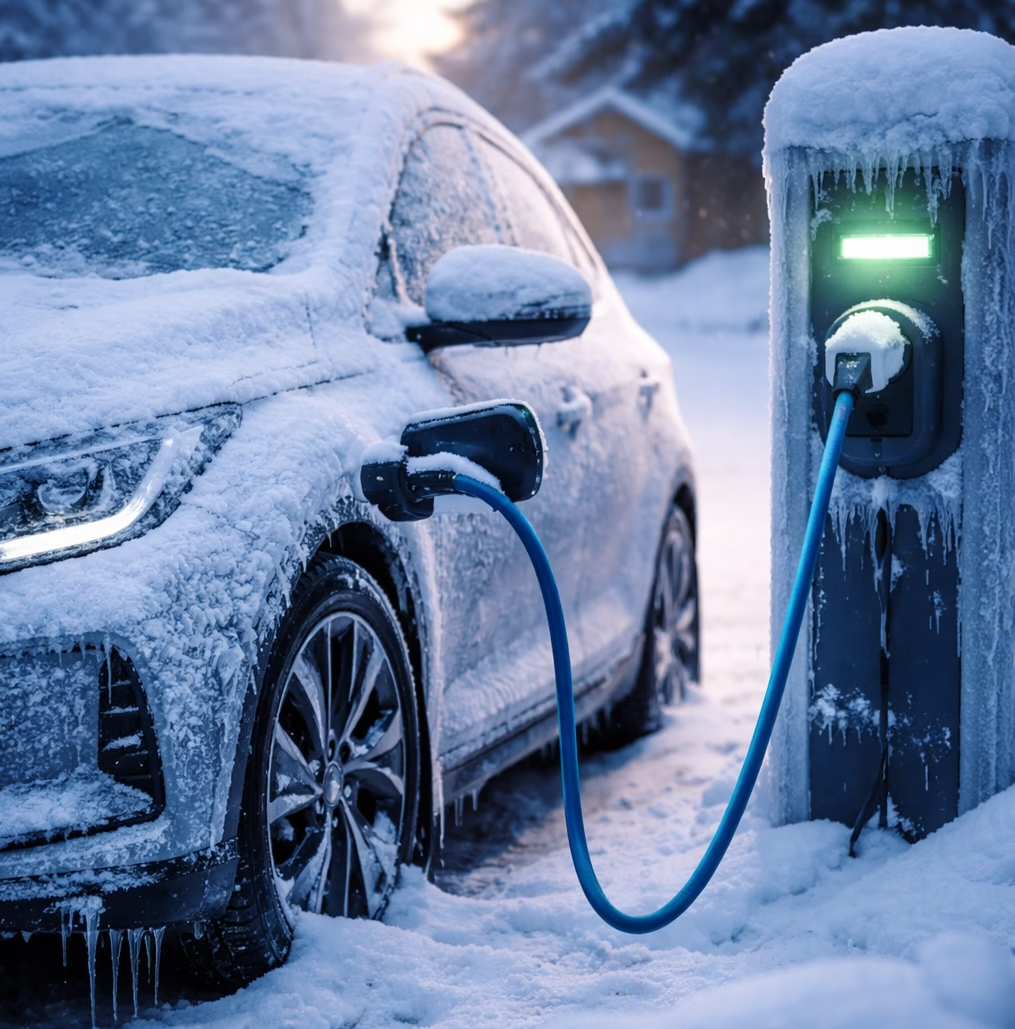
Freezing temperatures slow lithium-ion reactions in EV batteries. Owners notice up to 25% range loss below 5°C at highway speeds. However, EU tests by ADAC confirm 20-30% drops in models like VW ID.4 and Tesla Model 3. Gasoline cars lose only 10-15%, per EU energy data.
Additionally, charging times double as batteries warm first. Ions move sluggishly from cathode to anode. For instance, a 10-80% charge takes 45 minutes at 20°C but over an hour below zero. Yet, modern EVs mitigate this.
Why EVs Suffer More in Winter
Norway, with 90% EV market share, sees frequent -15°C spells. Batteries prefer 20-30°C operation. Cold thickens electrolytes, cutting capacity.
Furthermore, cabin heating drains 20-40% more power than air conditioning. EU drivers battle this daily. Still, hybrids fare better, but pure BEVs dominate policy goals.
Key Factors Behind Range Loss
Chemical slowdown: Reactions halt below 0°C.
Heater use: Consumes 3-7 kW constantly.
Tire resistance: Snow increases drag by 15%.
Proven Tips to Maximize EV Range
Preheat batteries via apps before drives. Most EU EVs like Renault Megane E-Tech do this automatically when charging. Plug in early at home—overnight rates stay low under EU green tariffs.
Park in garages or use insulated covers. This saves 10-15% energy on warmup. Meanwhile, heat cabins while plugged in. Seat warmers use half the power of full heaters.
Advanced Strategies for Drivers
Maintain tire pressure at 2.5-3.0 bar for less rolling resistance. Eco-mode caps speed and regen braking optimizes energy. Avoid dropping below 20% charge—cold batteries refuse fast charging.
EU incentives help too. Germany’s €9,000 BEV subsidy covers winter-ready models with heat pumps. Sweden mandates workplace chargers. As a result, range anxiety fades.
Everyday Habits That Boost Efficiency
Check tires weekly in frost.
Use preconditioning daily.
Plan routes with apps like A Better Routeplanner.
Electric Vehicle Applications Thrive Despite Cold
Electric vehicle applications expand in EU logistics and public transport. Cold-tested fleets like DHL’s VW e-Crafters deliver reliably. Cities cut emissions 40% with winter-optimized EVs.
Moreover, battery tech advances. Solid-state prototypes from Northvolt promise 10% less cold loss. By 2030, EU aims for 60 million EVs. Clear tips deliver real results for drivers. Europe leads the charge.