Electric vehicles surge ahead in 2025. Thus, zonal architectures gain traction. They centralize wiring for EVs, trucks, and ADAS systems. For instance, these setups slash harness weight by 20-30%. Moreover, they support high-voltage batteries and smart features.
Zonal Architecture Benefits
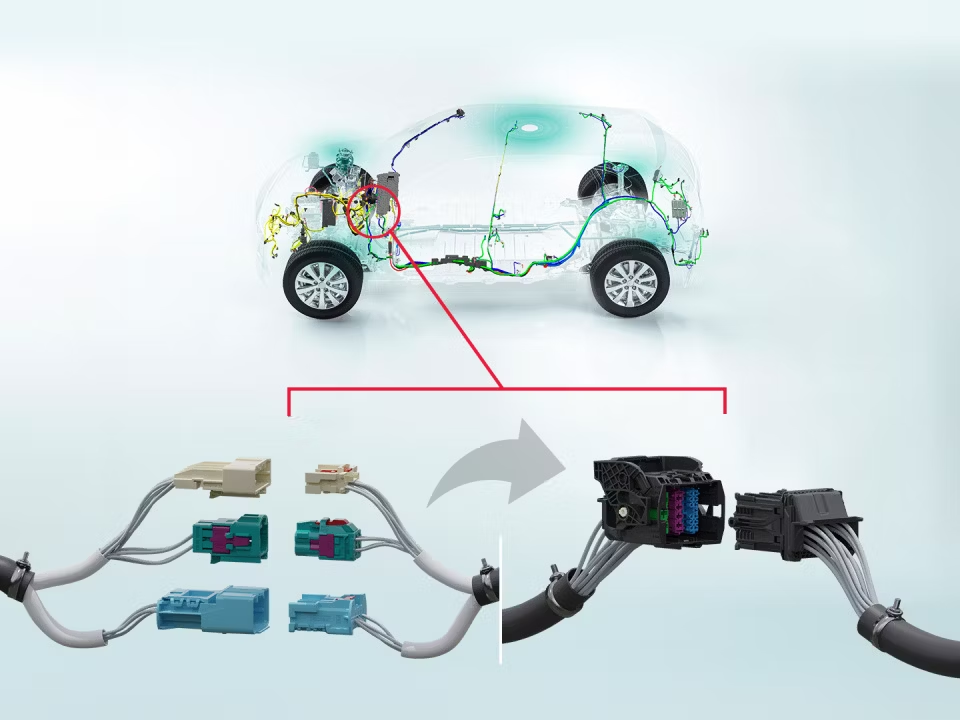
Zonal designs transform EV connectivity. Molex MX-DaSH Modular Wire-to-Wire Connectors lead this shift. Engineers mix power, signal, and data in one housing. Cartridges swap easily. Hence, teams add features fast. For example, instrument panels connect seamlessly to bodies. Seats get power and signals without bulk. As a result, vehicles lighten up. Weight drops cut energy use in EVs.
Key Savings in EVs
MX-DaSH cuts complexity sharply. Harnesses shrink in size and cost. Automation-friendly builds speed assembly. Positive locks resist vibrations. Thus, reliability soars in harsh EV environments. Battery packs, motors, and chargers benefit directly. Moreover, upgrades happen without full redesigns. This flexibility suits rapid EV model cycles.
Global EV Adoption and Molex Role
China adopts MX-DaSH for MY26 vehicles. OEMs there demand low costs and quick markets. Localized making eases supply chains. Europe and North America follow for MY28. Standards like USCAR2 ensure fits everywhere. Therefore, global EVs standardize on this tech. Buses and trucks use it for zonal power distribution. Delivery fleets gain efficiency too.
Applications in Electric Vehicles
MX-DaSH shines in diverse EV roles. Passenger cars link dashboards to zonal controllers. Commercial trucks route high-power to axles. ADAS sensors get stable signals. High-speed data flows for autonomy. Up to 70 circuits handle demands. For instance, 0.50mm cartridges pack 26 lines. Larger ones manage 6.30mm power. Hence, EVs scale from compacts to semis seamlessly.
Future-Proofing Automotive Wiring
Innovation drives EV growth. Molex solves wiring pains head-on. Rapid changes in electronics demand adaptability. Cartridge systems deliver it. Engineers reconfigure without tools. Costs fall as parts unify. Sustainability rises with lighter harnesses. Lifecycle emissions drop, per ICCT studies—EVs emit 73% less than gas cars. Thus, Molex powers greener roads.
Overall, MX-DaSH positions EVs for dominance. Fleets electrify faster. Consumers enjoy reliable rides. Industry leaders like Molex pave the way. Adoption spreads worldwide. Therefore, 2025 marks a wiring breakthrough. Electric vehicle applications thrive in zonal eras.