Electric vehicles demand tougher plastics for under-hood components. Frequent battery charging raises operating hours to 45,000–55,000 at high temperatures. This marks a huge jump from the 5,000 hours needed in combustion engines. Pumps and valves face harsh water-glycol coolants. Thus, BASF steps up with advanced Ultramid® grades.
Heightened Demands in EV Thermal Management
eMobility transforms vehicle designs. Constant thermal control during charging stresses plastics more. Traditional air-heat tests fall short now. Instead, hydrolysis conditions mimic real coolant exposure. For instance, EV cooling systems require leak-proof, long-lasting materials. BASF addresses this shift head-on.
Moreover, industry trends show EV production surging. Global sales hit record highs in 2025, pushing material innovations. Consequently, automakers seek reliable partners like BASF for sustainable solutions.
BASF’s Proven Testing Breakthroughs
BASF adapts air-heat methods to hydrolysis storage. They age samples in water-glycol mixes. The Arrhenius equation links temperature to reaction rates. This tool predicts service life accurately. Tests began in August 2020 and ran five years. Results? Extrapolated durability tops 100,000 hours.
Additionally, this approach builds trust. Automotive engineers gain confidence for cars and trucks. Transitioning from lab data to real-world use becomes seamless. Other sources confirm similar methods gain traction across the sector.
Key Features for EV Applications
Ultramid® boasts optimized hydrolysis resistance. Glass fiber reinforcement adds strength. Low halogen content ensures safety. Laser markability aids manufacturing. These traits meet future automotive needs perfectly.
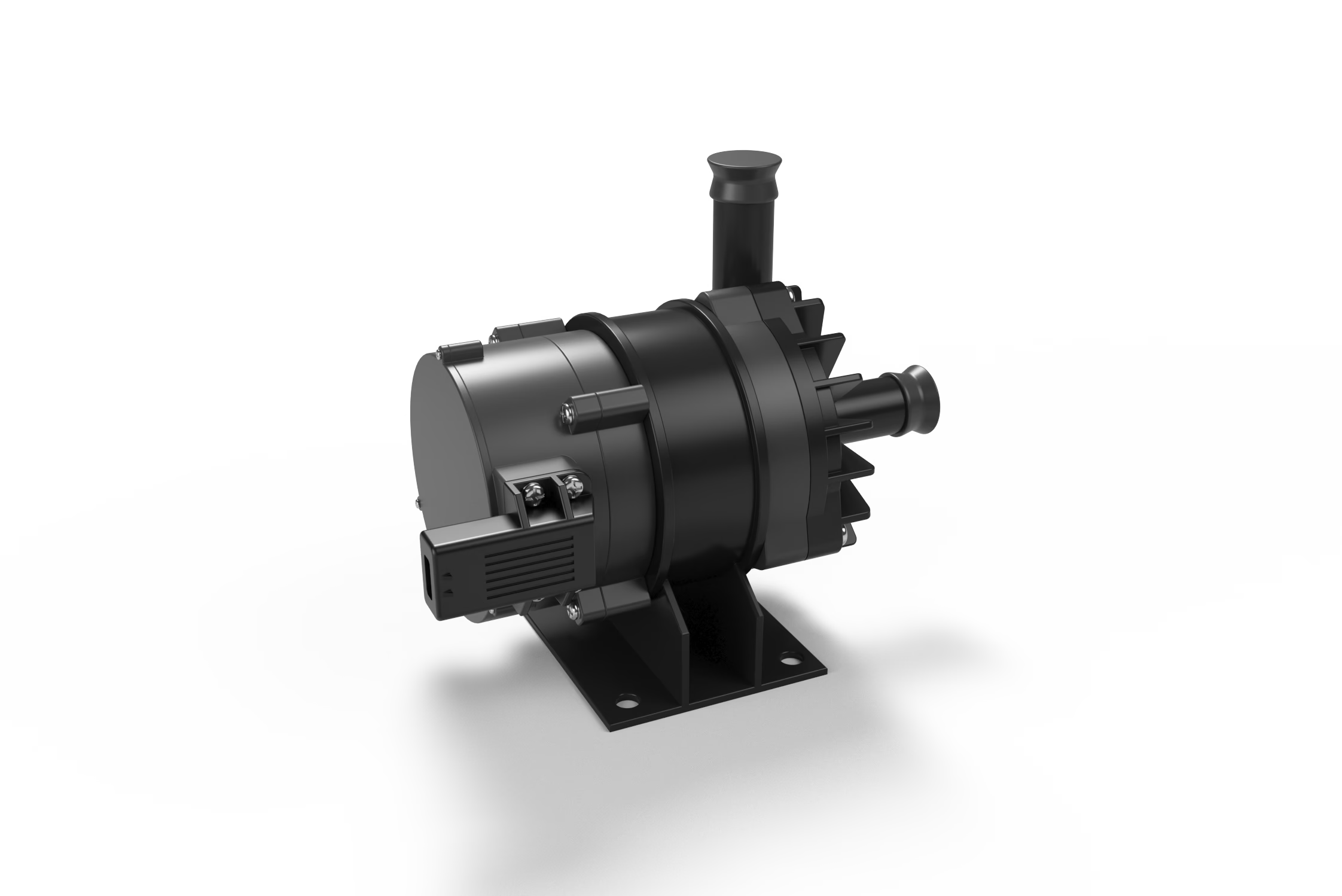
Furthermore, BASF’s portfolio extends to battery components and charging infrastructure. Ultramid® handles flame retardancy and electrical isolation too. For example, thermal management parts like water pumps thrive here. Meanwhile, competitors note polyamides’ rise in EV motors.
Long-Term Reliability for the Automotive Sector
The tested Ultramid® grade surpasses 45,000–55,000-hour goals easily. After rigorous hydrolysis exposure, properties hold strong. This reliability secures eMobility’s growth. Trucks benefit equally, facing similar stresses.
In addition, BASF’s virtual car tools showcase applications. From electric motors to fittings, solutions abound. Recent 2026 reports highlight this as a game-changer. Thus, suppliers align with EV megatrends confidently.
Broader Implications for Sustainable Transport
EV adoption accelerates worldwide. Yet, material durability remains key. BASF’s innovations reduce failure risks. They support greener fleets indirectly. For instance, longer-lasting parts cut waste. Industry analyses predict polyamides dominating under-hood use by 2030.
Moreover, integration with PPA and PSU grades expands options. Safety standards rise, and Ultramid® complies fully. As a result, manufacturers innovate faster.