China’s government just finalized a major safety rule. From January 1, 2027, new vehicles cannot register with fully retractable door handles or electric-only unlocking systems. Moreover, existing approved models get a transition period until 2029. This decision, announced by the Ministry of Industry and Information Technology (MIIT), targets risks in crashes where power failures trap occupants. As a result, manufacturers worldwide must adapt, especially for the world’s largest EV market. Therefore, global repercussions loom large for electric vehicle designs.
Safety Risks Drive the Ban
Electric door handles often lack mechanical backups. In accidents, disrupted circuits prevent doors from opening, endangering lives. For instance, flush-mounted handles on many EVs rely solely on electronics. Consequently, the new rules demand mechanical operation from both inside and outside. Additionally, vehicles need clear grips and labels showing how to use them. Xinhua reports highlight past failures, like doors staying shut post-collision. Thus, this policy addresses real-world dangers head-on.
Furthermore, the regulation covers all powertrains, not just EVs. However, battery electrics and plug-in hybrids face the biggest hit since they favor sleek, hidden handles for aerodynamics. Tesla Model 3 and Y, for example, use electronic unlocks with a small external lever. Yet, internal emergency pulls hide away, proving hard to find in panic. Similarly, Mercedes EQS requires electric extension first. These designs likely fail the new mechanical mandate. On the other hand, some base trims already use manual handles, so they might comply easily.
Specific Models Under Scrutiny
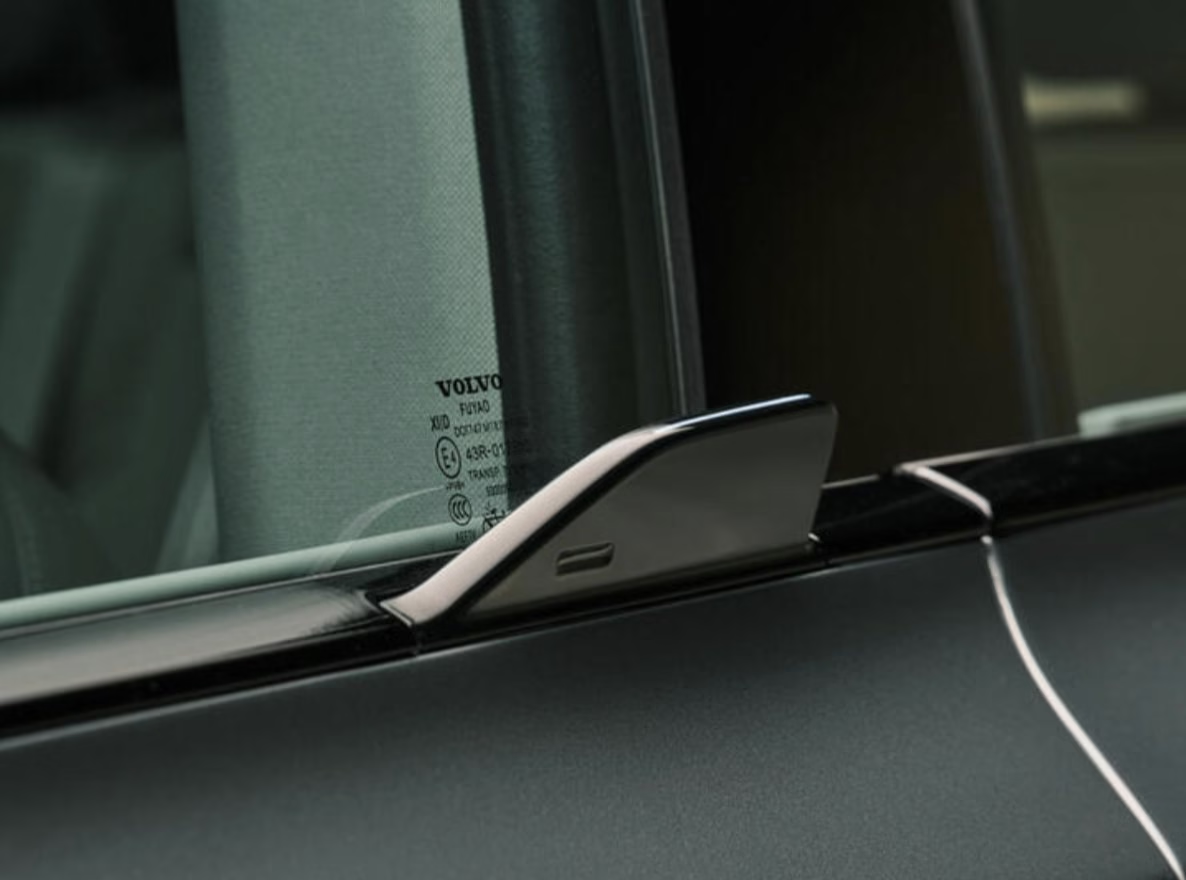
Tesla’s popular models highlight the challenge. Their handles electronically unlock but offer limited mechanical options. Occupants must hunt for a cable-pull in emergencies, which delays escape. Meanwhile, Zeekr 7X goes further with buttons that electrically open doors entirely. Lower trims use flush handles too. Volvo‘s EX60 ditches handles for sensor flaps, relying on a safety circuit. However, China demands pure mechanical access, so even backups might not suffice.
Mercedes faces redesigns across luxury EVs. Their electric-first approach boosts style but compromises safety. In contrast, brands like Volvo emphasize circuits that stay live post-crash. Still, regulators prioritize foolproof mechanics. Therefore, top trims with auto-handles must change. Base versions with traditional pulls dodge the ban. Overall, uncertainty lingers on exact specs, like grip size or label placement. Manufacturers await detailed guidelines to tweak designs.
Global Ripple Effects on EV Makers
China dominates EV sales, so changes there spread worldwide. Developing separate handles for one market costs too much. Thus, Tesla, Mercedes, and others will standardize mechanical systems everywhere. For example, Volvo EX60’s flap design targets China but must evolve. Additionally, this boosts traditional handle suppliers. However, it hurts aerodynamics slightly, raising energy use by 1-2% in some cases.
Moreover, the ban accelerates safety innovation. Carmakers now race to blend style with reliability. Think pop-out handles with robust pulls. Meanwhile, competitors in Europe watch closely. EU probes similar risks, per recent reports. As a result, global standards might align. Finally, consumers gain peace of mind. Safer doors mean fewer lawsuits and better resale values.
Adaptation Strategies and Future Outlook
Manufacturers adapt smartly. First, they retrofit approved models by 2029. Second, new designs integrate mechanical levers seamlessly. For instance, Porsche already mixes electric pop-outs with manual backups. Tesla could follow suit quickly. Additionally, labels and recesses become standard. However, enforcement details remain vague. Will all flush handles go, or just electric-only ones?
Transition words like “furthermore” smooth the shift to solutions. Brands prioritize higher trims for changes since bases often comply. Moreover, this pushes EV adoption indirectly. Safety boosts buyer confidence amid range anxiety. In the end, China leads again. Global EVs get tougher, safer doors. Thus, the 2027 ban reshapes the industry for good.