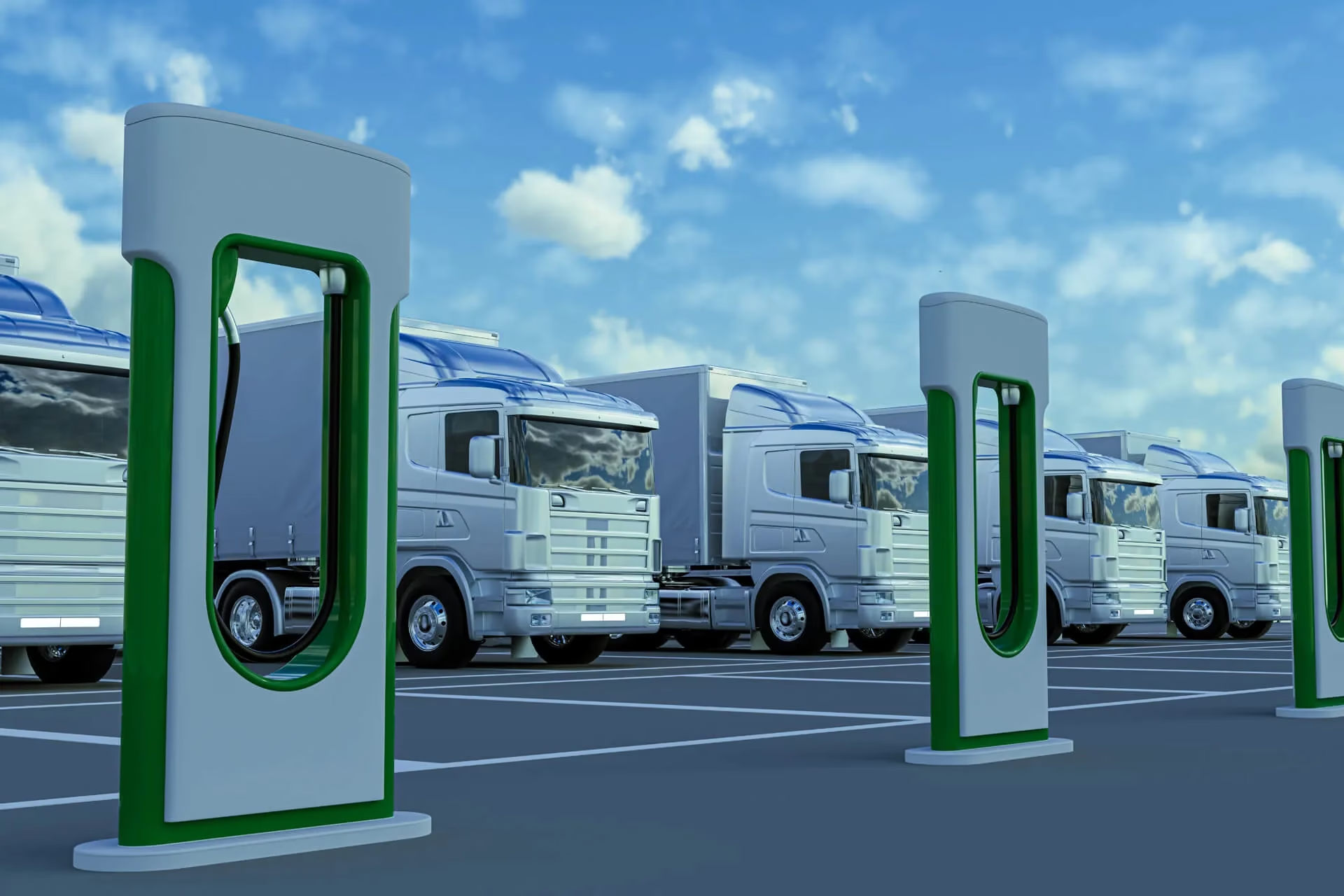

Fleet electrification transforms business operations. A recent Eurelectric and EY study highlights massive savings ahead. It projects €246 billion in cumulative operating cost reductions by 2030. Battery electric vehicles (BEVs) drive this shift. They lower costs 20-50% compared to internal combustion engine (ICE) models. Moreover, fleets represent six out of ten new vehicles in the EU. Thus, opportunities abound for money and emissions savings. Let’s examine the numbers closely.
Operating Cost Breakdown
Operating expenses dominate total ownership costs. For trucks, they make up 60-75%. Vans follow at 45-65%. Cars range from 25-40%. BEVs slash these figures significantly. Electricity replaces expensive fuel. Maintenance drops too, since electric drivetrains have fewer moving parts. For example, regenerative braking extends brake life. Tires last longer under smoother EV acceleration. As a result, fleets see quick payback periods. The study stresses this across corporate cars, vans, and trucks. Transition to BEVs pays off fast. Policymakers note the scale: two million extra EVs by 2030 if targets align.
Demand stimulation works both ways. Clear purchase targets boost production. EU automakers gain an edge here. They lead in zero-emission fleet vehicles over non-EU rivals. Kristian Ruby, Eurelectric’s Secretary General, emphasizes the stakes. “A well-designed fleet initiative can boost demand for BEVs,” he states. It aids European industry. Plus, it enhances energy independence. Incentives target bidirectional charging too. These vehicles feed power back to grids during peaks. Therefore, fleets become grid assets. Savings compound over time. Operators rethink budgets accordingly.
Overcoming Adoption Barriers
Structural hurdles persist despite clear benefits. Upfront costs deter many buyers first. Constantin Gall from EY points to residual value risks next. Grid constraints round out the challenges. Buyers worry about resale values in evolving markets. Charging infrastructure lags behind too. However, solutions emerge steadily. Targeted fiscal incentives ease initial purchases. Binding national targets for zero-emission vehicles build confidence. Moreover, battery prices continue falling. Recent trends show 15-20% yearly drops. This narrows the upfront gap with ICE options.
Grid upgrades accelerate in parallel. EU invests billions in smart infrastructure. Fleets with bidirectional chargers help balance loads. They charge off-peak and discharge during demand spikes. As a result, utilities reward participants with lower rates. Policymakers push for these features in procurement rules. Early adopters like DHL and UPS already scale EV fleets. They report 30-40% operating savings in real tests. Consequently, more companies follow suit. The study urges swift action. Delays risk missing the 2030 window.
Broader Market Impact
Fleet leaders influence the entire EV ecosystem. Their bulk buying stabilizes supply chains. Battery production ramps up efficiently. Automakers refine models for commercial use. For instance, longer-range vans suit delivery routes better. Trucks gain megawatt charging standards. Europe strengthens its position this way. Non-EU competitors face tariffs and local rules. Thus, homegrown innovation thrives. Emissions plummet alongside costs. Heavy-duty fleets contribute most to transport pollution. BEVs tackle this head-on.
Future growth looks promising. By 2030, cumulative savings hit €246 billion. This funds further electrification. Jobs shift to green manufacturing. Energy security improves with domestic renewables. However, success hinges on policy boldness. Binding targets and incentives must align now. Fleets cannot wait for perfect conditions. They act as market multipliers. Early movers gain competitive edges. Laggards face rising ICE fuel costs. Ultimately, electrification makes business sense. It delivers profits and sustainability together.