Smart Energy Partnerships Drive EV Charging Innovation
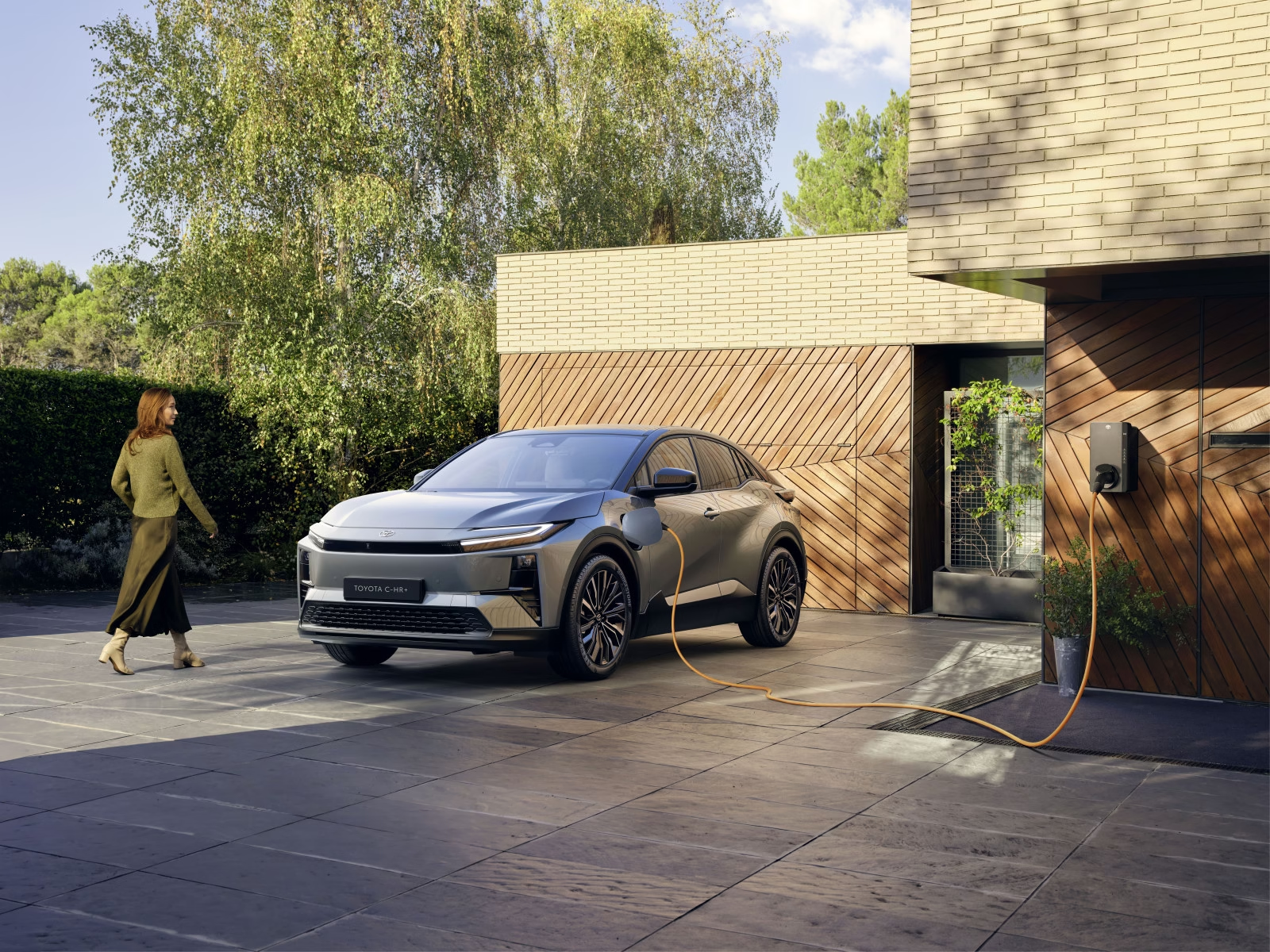
In 2025, Toyota Motor Europe (TME) announced a major expansion of its electric vehicle (EV) charging ecosystem across key European markets. This initiative promotes smart, flexible charging solutions for Toyota and Lexus plug-in hybrid (PHEV) and battery electric vehicle (BEV) drivers. By partnering with leading energy providers such as British Gas in the UK and The Mobility House Energy in Germany, Toyota aims to integrate smart charging with renewable energy access, reduced energy costs, and enhanced user convenience. The strategic move supports the broader shift toward sustainable mobility backed by intelligent energy management and grid flexibility.
Benefits of the EV Charging Ecosystem for Customers and the Grid
The rollout includes Demand Side Response (DSR) solutions set to launch in 2026. These smart charging services automatically optimize charging to off-peak times, lowering electricity bills for users. Drivers gain benefits from remote control apps and scheduling, enabling seamless integration into daily routines. Additionally, Toyota offers customers access to renewable energy by timing vehicle charging with the availability of green power. Participation in grid-balancing programs also unlocks incentives and rewards, making the ecosystem both economical and ecologically responsible.
Beyond individual advantages, Toyota’s DSR approach enhances electricity grid sustainability. By helping smooth demand peaks, these solutions decrease dependence on fossil-fuel peaker plants, facilitate greater use of renewable sources like wind and solar, and reduce costs related to grid expansion. Toyota envisions its EVs becoming part of a dynamic energy system that supports Europe’s carbon neutrality goals and wider sustainable energy use.
Future Expansion and Vehicle-to-Grid Integration
Looking ahead, Toyota plans to extend its energy collaborations to more European countries and deploy advanced solutions, including Vehicle-to-Grid (V2G) technology. V2G allows EVs to supply energy back to the grid during high demand periods, effectively turning vehicles into mobile energy assets. This innovation unlocks new revenue streams for customers and further integrates transportation with the energy sector to stabilize and green the grid.
Leon Van Der Merwe, VP of Circular Economy and Energy Business at Toyota Motor Europe, described the initiative as a key milestone supporting Toyota’s electrification and sustainability ambitions. The integration of smart, digital energy services within Toyota’s EV ecosystem demonstrates a holistic approach to mobility that benefits customers, communities, and the environment.
Toyota’s Electrification Strategy and Broader Market Trends
Toyota’s expansion of EV charging services aligns with its commitment to carbon neutrality in Europe by 2035. The company continues to offer a comprehensive lineup of electrified vehicles, including hybrids, plug-in hybrids, BEVs, and fuel cell EVs, aiming for 3.5 million BEV sales annually by 2030. This initiative reflects a growing trend in the automotive industry to merge vehicle electrification with smart energy solutions. Across Europe, consumers increasingly demand convenient, cost-effective access to EV charging integrated with renewable energy. Simultaneously, energy grids require more flexibility to manage intermittent renewable power sources and reduce fossil fuel reliance.
Smart charging and V2G technologies are crucial for addressing major barriers to widespread EV adoption such as charging convenience and grid capacity constraints. Toyota’s strategic partnerships represent a proactive response to these challenges, positioning the company as a leader in both vehicle innovation and energy ecosystem development.