E/E Architecture in Electric Vehicles
The automotive industry is rapidly evolving with the integration of advanced electronic and electrical (E/E) architectures. These architectures are crucial as vehicles become smarter, more connected, and increasingly software-driven. E/E architecture controls critical vehicle functions, enabling faster software updates, improved system integration, and seamless communication across components. With the rise of electric vehicles (EVs), plug-in hybrid electric vehicles (PHEVs), and connected car technologies, industry leaders are focusing on E/E platforms as a backbone for innovation. Companies like XPENG and Volkswagen Group have recently intensified their strategic partnership. Their aim is to develop next-generation E/E architectures that extend across electric, hybrid, and internal combustion engine (ICE) vehicles.
XPENG and Volkswagen’s Expanded E/E Architecture Collaboration
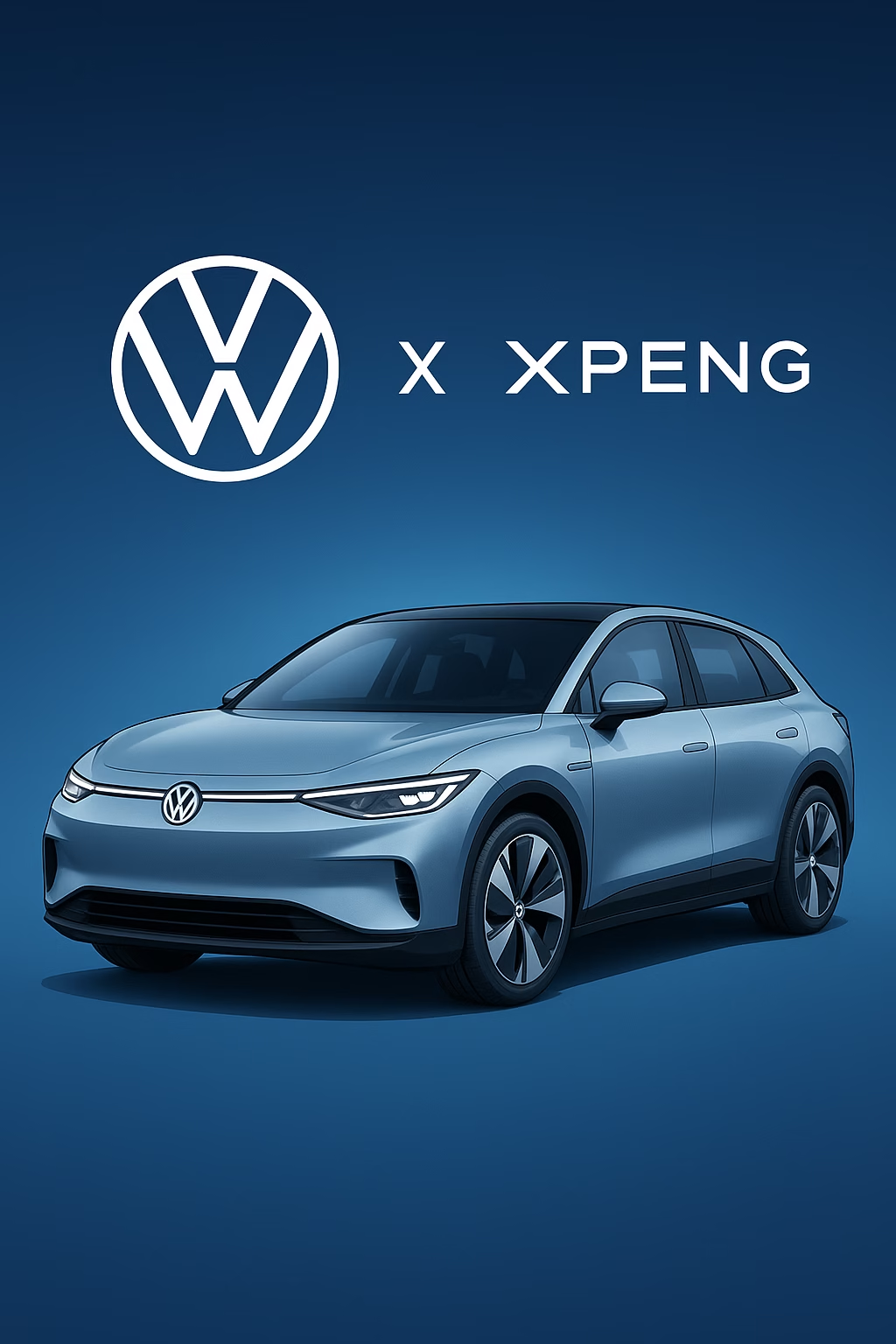
XPENG and Volkswagen Group have taken a major step forward by expanding their technical collaboration on E/E Architecture, building on their initial Master Agreement signed in July 2024. Their shared goal is to deploy this industry-leading E/E Architecture not only in Volkswagen’s electric vehicle platforms but also across its ICE and PHEV platforms, particularly in the Chinese market. This expansion demonstrates a critical shift toward platform-oriented design, allowing the same advanced electrical architecture to support various powertrains. The collaboration highlights the speed and scale achieved by XPENG’s and Volkswagen’s joint R&D teams to accelerate development “at China Speed.” Such synergy enables platform-driven economies of scale, faster vehicle development cycles, and improved product competitiveness. Ultimately benefiting both companies and their customers.
Impacts on the Automotive Industry and Electric Vehicle Applications
The expanded collaboration will significantly boost software-defined vehicle strategies for Volkswagen, driving rapid software iterations and enabling Over-the-Air (OTA) update capabilities—a game-changer for maintaining and improving vehicles post-sale. This ensures continuous enhancement in vehicle functionalities without the need for physical recalls or service visits. Moreover, adapting the E/E Architecture across multi-powertrain platforms represents a strategic innovation that reduces development costs. It helps Volkswagen remain competitive in China’s dynamic automotive landscape, enabling a seamless transition to electrification while maintaining strong offerings in combustion and hybrid vehicle markets. This cross-powertrain adaptation underlines the growing importance of flexible E/E platforms in advancing electric, hybrid, and traditional vehicles.
Forward-Looking Vision and Strategic Importance
Leaders from both XPENG and Volkswagen emphasize this collaboration as a testament to their long-term strategic vision and mutual trust. XPENG’s CEO Xiaopeng He pointed out that the expanded agreement symbolizes ongoing innovation in smart electric vehicle technology. Similarly, Volkswagen’s China CEO, Ralf Brandstätter, reinforced the company’s commitment to delivering advanced solutions across all vehicle segments, bridging conventional and electric powertrains. This initiative not only strengthens Volkswagen’s technological leadership but also supports economic resilience through cost reduction and targeted innovation investment. Ultimately, this collaboration paves the way toward fully connected, intelligent electric mobility, meeting rising consumer expectations and regulatory demands for cleaner, smarter automotive solutions.
This partnership between XPENG and Volkswagen exemplifies the significant role of E/E architecture in shaping the future of automotive technology. It reflects how pioneering collaborations leverage advanced architectures to enhance performance, software integration, and market flexibility. As electric vehicle adoption accelerates worldwide, such strategies boost innovation, reduce time-to-market, and prepare automakers for evolving mobility ecosystems. The expanded E/E Architecture collaboration is a concrete step toward a smarter, more adaptable, and efficient transportation future.