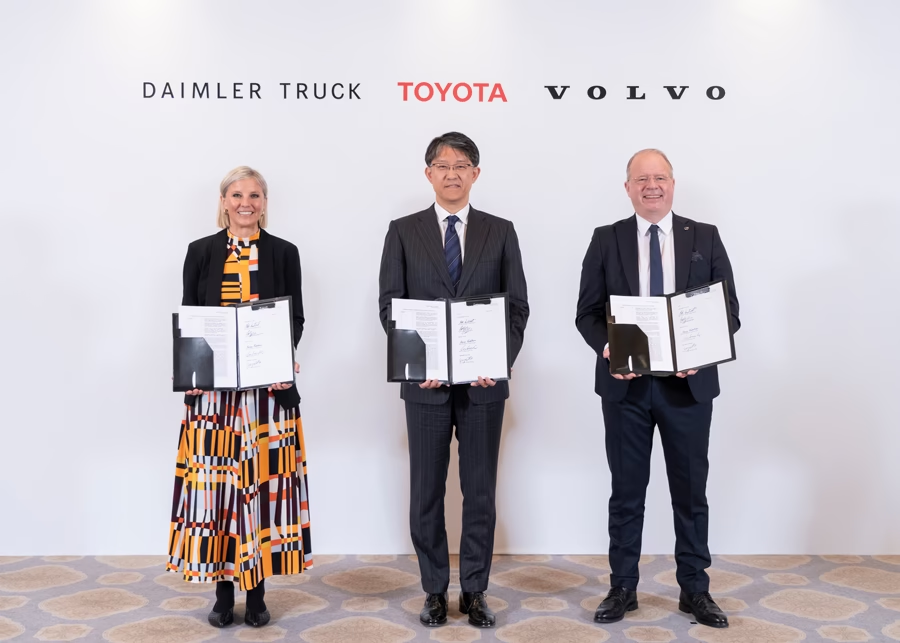

Toyota Motor Corporation signed a non-binding deal with Daimler Truck and Volvo Group. They aim to make Toyota an equal shareholder in cellcentric. This joint venture focuses on fuel cell systems. These systems target heavy-duty trucks and similar uses. The move combines strengths from all partners. Toyota brings over 30 years of fuel cell know-how. Meanwhile, Daimler and Volvo offer truck expertise. Together, they plan to develop competitive products.
Strategic Partnership Details
Daimler Truck, Volvo Group, and Toyota target equal stakes in cellcentric. Toyota will invest through a capital increase. Cellcentric stays independent and serves many customers. It covers on-road, off-road, and stationary apps. The partners compete elsewhere but collaborate here. This setup boosts scale and efficiency. Experts see it as key for hydrogen tech growth.
Complementary Expertise Combined
Toyota adds fuel cell development from passenger cars. Cellcentric handles unit cells and controls jointly with Toyota. Daimler Truck and Volvo provide heavy-duty insights. Cellcentric already has 560 employees and 700 patents. This union strengthens tech edges. Leaders like Karin Rådström praise the scale-up. Martin Lundstedt calls it a leap for net-zero goals.
The agreement supports hydrogen supply chains too. Partners work with associations early on. They align with EU Green Deal and Japan’s hydrogen act. However, it’s non-binding now. Boards and regulators must approve next.
Fuel Cell Technology Advantages
Fuel cells suit long-haul trucks better than batteries. They offer quick refuels under 20 minutes. Range matches diesel without big battery weight. Green hydrogen cuts lifecycle emissions by 89%. Even gray hydrogen reduces them by 30%. This fits freight where batteries limit uptime.
Cellcentric’s NextGen system advances in 2026. It targets automotive-scale production. Tests show promise for heavy apps. Market reports predict 25% CAGR to 2033. Size could hit $15 billion by 2030. Logistics demand drives this surge.
Governments push via incentives. North America eyes 11% CAGR. Asia leads with infrastructure. Challenges remain in hydrogen production. Yet, green methods grow fast.
Leadership Quotes and Vision
Koji Sato of Toyota welcomes the tie-up. He stresses building a hydrogen society. Andreas Gorbach calls it a game-changer. Nicholas Loughlan notes trust from Toyota. These voices highlight urgency. They see cellcentric as the top fuel cell hub.
The venture decarbonizes transport. Hydrogen complements batteries. It tackles CO2-neutral goals. Partners share developments. This fights common hurdles.
Fuel cell trucks gain traction amid regulations. Battery electrics work for short hauls. Hydrogen excels in heavy long-haul. Production costs drop. Refueling networks expand. New entrants disrupt the field.
Cellcentric positions as Tier 1 supplier. It eyes global sales. Toyota’s manufacturing boosts output. This accelerates commercialization. Industry needs such collaborations. They signal to suppliers and customers. By 2035, market could top $25 billion. Europe and US push infrastructure. Toyota’s Beyond Zero vision aligns here. It adds value past zero emissions.