
Dublin Airport’s latest electrification move is more than a fleet update. It is a systems-level shift that combines high-power pantograph charging, depot resilience, and airport-side grid upgrades.
Project scope
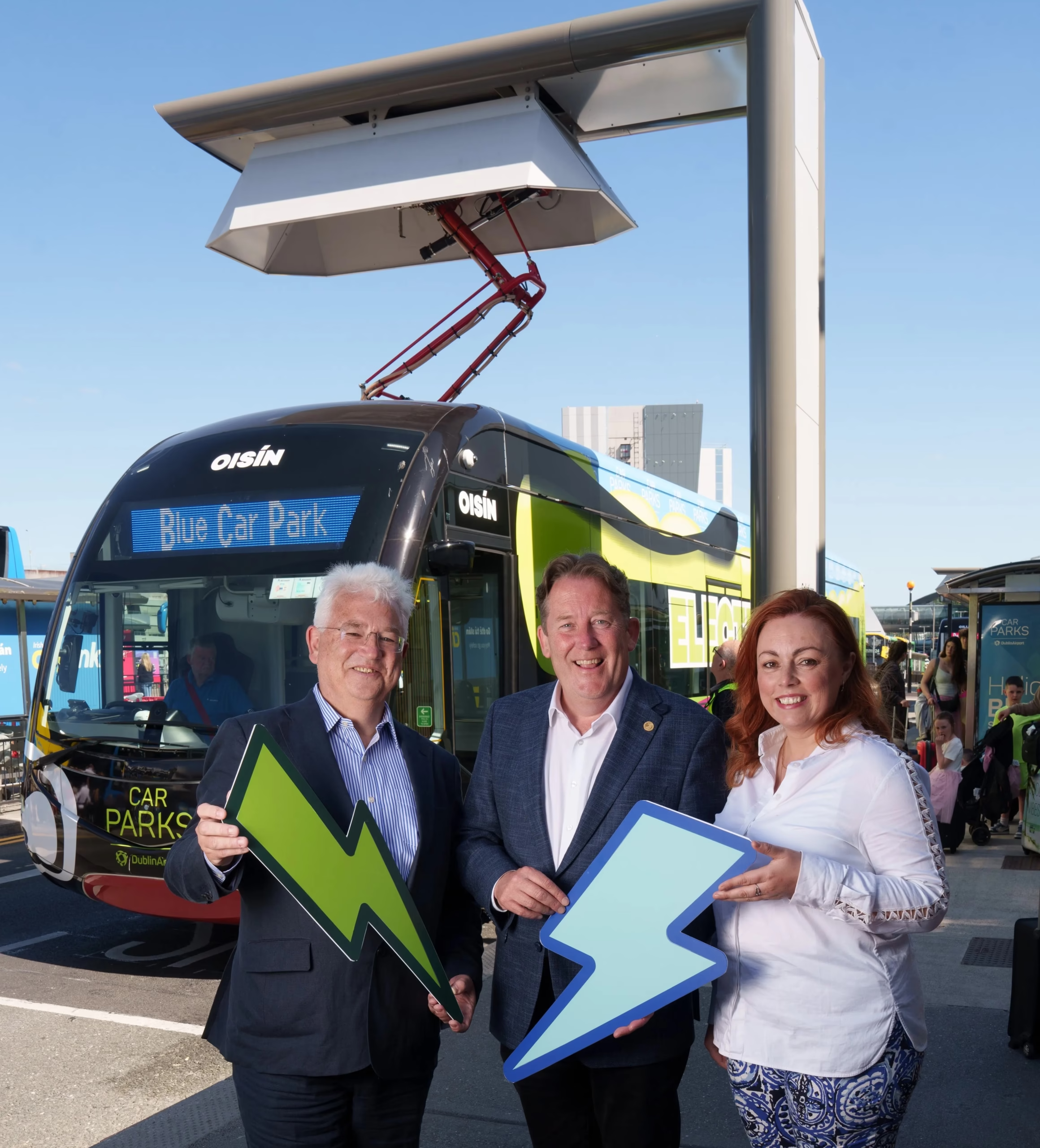
The airport has invested €17 million in Ireland’s first pantograph charging installation for electric buses. The system supports 14 new zero-emission shuttle buses and is designed for high-frequency airport operations.
Aircoach has separately invested €11 million in the bus fleet itself. Together, the charging hardware and vehicles form a dedicated electric shuttle system for passenger transport around the airport campus.
How pantograph charging works
Pantograph charging uses an automated overhead arm that connects to the bus roof interface. In Dublin Airport’s case, the arms retract and extend to deliver ultrafast charging when buses reach the end of their routes.
That matters because airport shuttle buses make short, repetitive trips. Instead of waiting for long depot sessions, the vehicles can receive rapid top-up energy during natural layover windows.
Why the tech matters
This charging method reduces idle time and improves fleet availability. It also suits dense airport shuttle schedules where punctuality is critical.
The airport has also built a seven-bay depot charging facility. That gives operators overnight charging and backup capacity, which lowers operational risk if a vehicle misses an opportunity charge.
The system includes voltage upgrades as well. Those upgrades are important because high-power charging loads can stress local electrical infrastructure if the supply is not reinforced properly.
Fleet operations
The buses serve about 2.5 million passengers each year. That volume shows why rapid charging and reliable turnaround times matter more than simple plug-in charging would.
Pantograph charging is especially useful in a shuttle environment because buses cycle through the same terminals and parking areas repeatedly. The technology can keep vehicles in service longer and improve fleet scheduling efficiency.
The setup also reduces dependence on diesel backup vehicles. That creates a cleaner passenger transport loop inside the airport perimeter.
Sustainability targets
Dublin Airport says the switch to electric buses will cut more than 1,470 tonnes of CO2e annually. That reduction supports the airport’s wider carbon strategy.
The bus project fits into a broader decarbonisation roadmap. Dublin Airport’s infrastructure plan calls for a net zero carbon target by 2050, with a 2030 carbon reduction milestone already in place.
The airport is also expanding fixed electrical ground power across the airfield. That is important because it shifts parked aircraft away from diesel-powered ground units and toward cleaner electrical supply.
Airport infrastructure context
This bus-charging project is part of a much larger capital programme. Dublin Airport’s infrastructure application includes apron expansion, terminal upgrades, surface access changes, drainage works, and parking adjustments.
The tech thread running through those projects is electrification. Dublin Airport is preparing for electric vehicles, sustainable aviation fuel, renewable heating, and more efficient ground systems across the campus.
That broader approach helps explain why the bus chargers matter. They are not an isolated feature; they are one piece of a campus-wide energy transition.
Technical and operational gains
- Pantograph arms allow fast, automated charging with minimal manual handling.
- Depot chargers add redundancy and support overnight energy replenishment.
- Voltage upgrades prepare the site for sustained high-power demand.
- The electric fleet lowers local emissions and reduces diesel reliance.
- Shuttle operations gain more predictable turnaround times and better fleet utilization.
Broader airport strategy
Dublin Airport’s electrification strategy is anchored in sustainability, capacity, and resilience. The airport says it must grow while also reducing emissions and improving resource management.
That means the charger project has a dual role. It supports daily passenger operations now, and it also builds a platform for further electrification across airport ground transport.
Sources: Dublin Airport