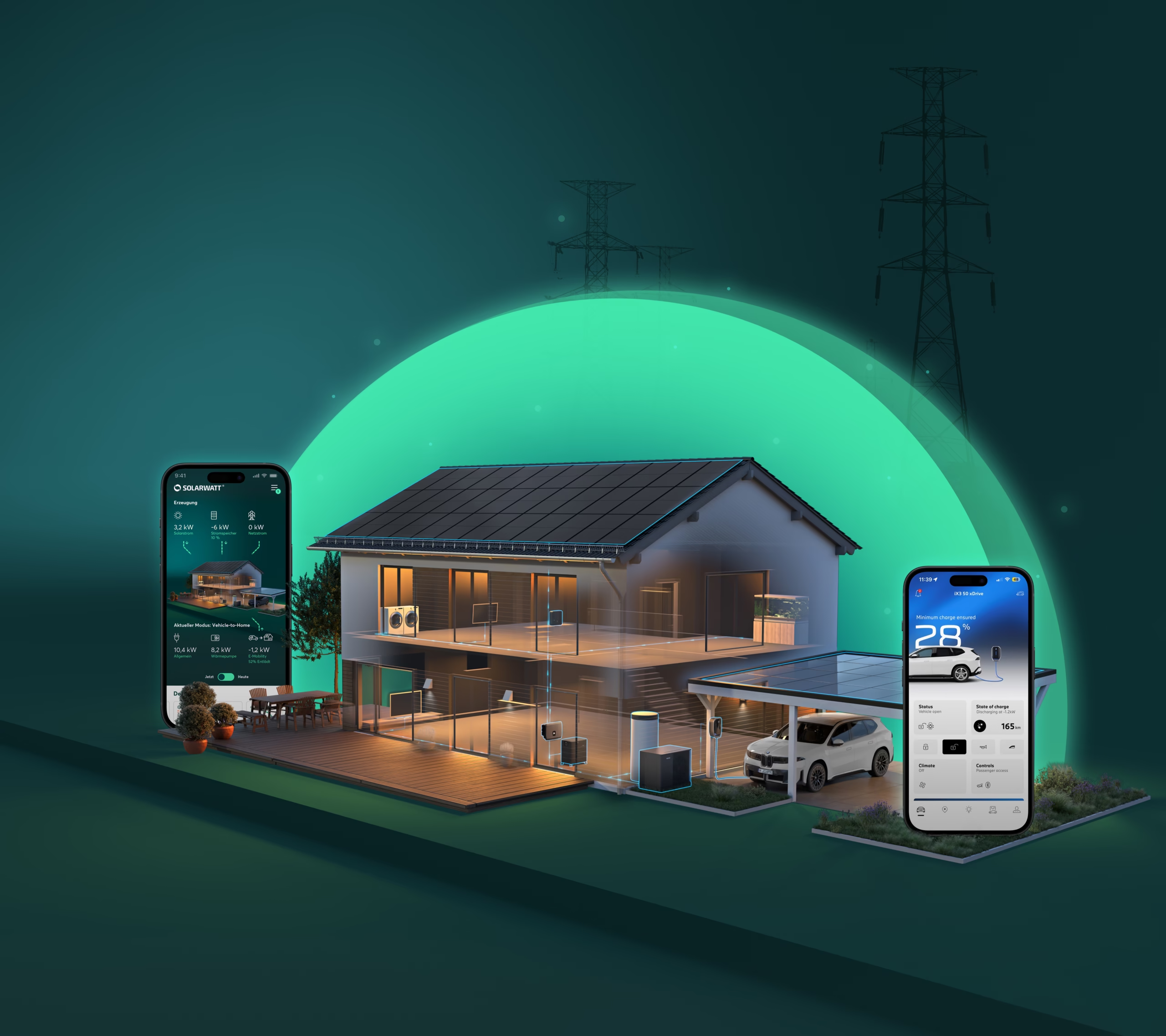

The BMW Group and Solarwatt are officially expanding their strategic partnership. This cooperation integrates BMW electric vehicles directly into residential property grids and making home connected. The upcoming BMW iX3 and BMW i3 models serve as central pillars. They will link directly to domestic power infrastructure for maximum efficiency. This setup converts cars into mobile power plants for modern households.
Vehicles from the Neue Klasse generation feature advanced bi-directional charging capabilities. This technology allows cars to store power and supply it back. The upcoming BMW Wallbox Professional manages this energy flow safely. Consequently, the vehicle acts as a dynamic mobile battery for households. It helps reduce overall reliance on traditional public electricity grids.
Dynamic Power Grid
This vehicle rollout builds on a separate vehicle-to-grid network solution. BMW recently launched a dynamic power grid program alongside energy partner E.ON. That previous system targeted stabilizing the broader public electricity supply across Germany. Now, this new Solarwatt partnership targets domestic property optimization directly. Homeowners gain full control over their personal microgrid infrastructure.
The joint system acts as an additional localized buffer for houses. It bridges the gap between clean mobility and home electricity needs. This development creates a highly resilient model for independent residential infrastructure. The rollout specifically targets regions with high domestic solar panel adoption rates. Initial commercial operations will launch across central European consumer markets.
Bi-Directional Charging Redefines Modern Household Power Storage
- The Solarwatt Manager coordinates all current home energy flows. This Home Energy Management System links solar panels and vehicles. It incorporates automated solar forecasts to schedule charging times efficiently. The program also adapts to fluctuating dynamic electricity tariffs. Therefore, households can buy grid power when rates drop.
SOLARWATT Manager HEMS tracks local weather data. - The system schedules optimal vehicle charging periods.
- Homeowners feed electricity back during peak rate hours.
- Dynamic tariffs lower the cost of grid power.
- Smart automation minimizes reliance on fossil fuels.
The technology maximizes the consumption of locally generated solar power. Users control their personal parameters via two dedicated smartphone apps. Both the My BMW App and Solarwatt Home app provide overview connected portals. Homeowners can track their energy generation and vehicle storage levels. This setup ensures stable operation across the entire domestic ecosystem.
Smart Hardware Protocols Safeguard Domestic Power Distribution
The system relies on advanced vehicle-to-home charging engineering parameters. This communication setup requires intelligent handshakes between the car and wallbox. The physical connection utilizes premium safety protocols to prevent home circuit overloads. It adjusts power flow automatically based on real-time household appliance consumption. This safety layout protects sensitive electronics inside the modern household.
The physical charging hardware supports both standard and rapid feedback loops. Homeowners can prioritize vehicle battery health or immediate home power supply. The smart software calculates the most economical path based on daily usage. It minimizes degradation factors for both the car and home batteries. This balance ensures long-term operational viability for the entire hardware investment.
Longstanding Corporate Alliance Yields Advanced Residential Hardware
Both companies boast a shared history starting back in 2013. They initially co-developed early charging solutions for premium electric mobility. In 2021, they introduced a unique residential battery storage system. That equipment utilized genuine components from BMW electric vehicle production. The partnership has consistently prioritized high-quality hardware development.
The current Solarwatt Battery vision represents the latest product iteration. BMW Designworks USA specifically crafted the visual appearance of this unit. The hardware remains highly compatible with third-party household storage options. This openness allows customers to modify their existing setups over time. The combined ecosystem will launch in late 2026 across Europe.
The modular Battery vision system uses advanced lithium iron phosphate chemistry. Each individual storage pack provides exactly 2.6 kilowatt-hours of usable capacity. Homeowners can stack up to seven packs for maximum domestic power. This scalable configuration allows capacities up to 18.2 kilowatt-hours total. The setup adapts easily to changing residential energy demands over time.
Durable Hardware Architecture Standards Underpin Clean Production Loops
The visual housing features an IP65 protection rating against water. It operates efficiently in temperatures ranging from zero to fifty-five degrees. The design allows flexible installation either indoors or inside outdoor carports. Internal automated switches provide instant isolation during sudden grid failures. This safety layer guarantees reliable emergency backup power for critical home circuits.
The integration strategy reflects a broader corporate shift toward holistic sustainability. Both brands focus on reducing total carbon footprints during manufacturing processes. They utilize secondary raw materials for production wherever possible. This circular economy approach extends the total lifecycle of automotive battery components. It sets a new benchmark for clean technology development partnerships.
The official commercial rollout will begin inside specific test markets first. Germany, Austria, and the Netherlands will receive the initial shipment waves. The companies plan to display final production units at upcoming trade fairs. The Intersolar Europe exhibition serves as the next major public milestone. Customers can experience the complete connected ecosystem during that industry event.