
CATL has introduced a dual-electric range extension battery for electric heavy-duty trucks. The system combines a standardized swappable main battery with a fixed onboard backup pack. CATL says the approach addresses range anxiety, battery utilization, operating costs, and residual value concerns.
The announcement also covers an upgraded QIJI battery-swapping ecosystem. Together, the two systems aim to make electric road freight more practical for long-haul, regional, and port operations.
Heavy-Duty Electrification Needs More Than Range
Electric heavy-duty trucks have made clear technical progress. However, fleet operators still weigh more than driving range or charging speed. They also assess battery utilization, downtime, energy costs, financing, maintenance, and resale value.
Battery swapping has already reduced refueling time for many operators. A driver can exchange a depleted pack for a charged one in about five minutes. QIJI reports a 99.99% first-time swap success rate across its network.
Even so, conventional swapping creates an operational dilemma. Drivers often return with unused energy because they do not want to risk running the main battery too low. That behavior reduces the usable depth of discharge and weakens the economics of each battery asset.
CATL’s new design directly targets this issue. It adds a second, independently owned power source behind the cab. The result is a truck that can use more of its swappable battery without leaving the driver without power.
How the Dual-Electric System Works
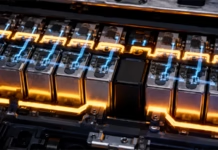
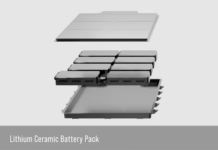
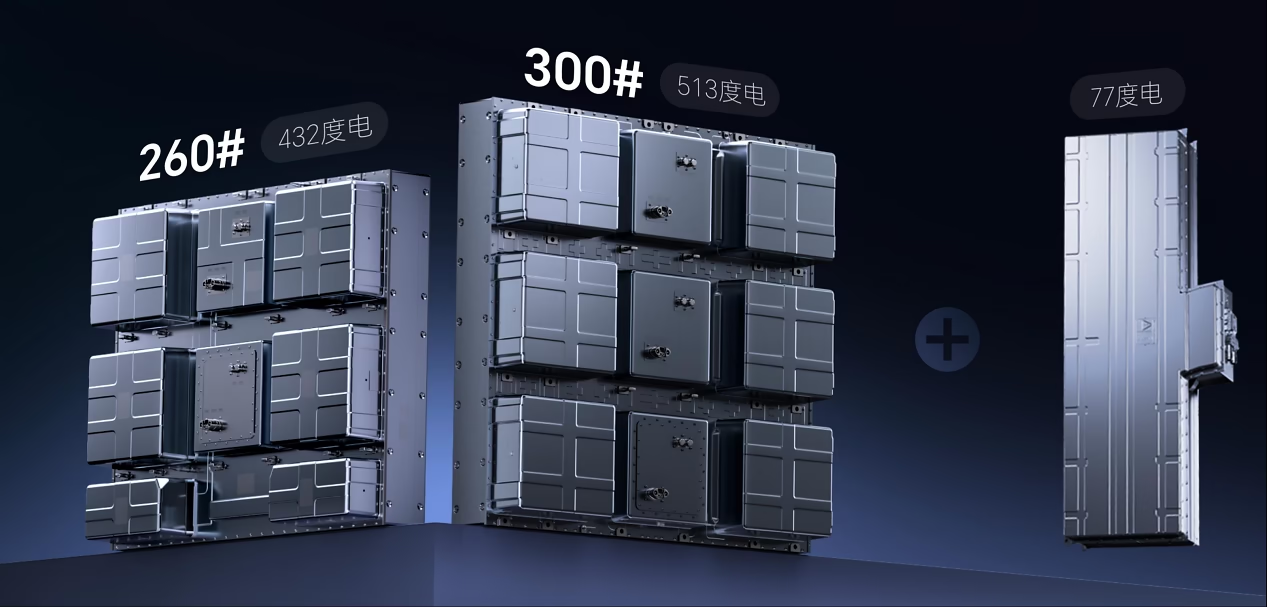
The dual-electric range extension battery uses two separate but complementary systems. The main battery is a QIJI standardized chassis-mounted swappable pack. The second system is a behind-the-cab range-extension power unit with a current capacity of 77 kWh.
The extension battery supports 3C charging. It acts as a backup power source rather than replacing the swappable main battery. CATL says the two systems maintain uninterrupted power delivery and provide redundancy in demanding operating conditions.
Greater usable battery capacity
The backup pack allows fleets to use more of the main battery’s capacity. CATL says the main battery’s depth of discharge rises from about 70% to more than 95%.
In practice, a driver can return the swappable pack at less than 5% state of charge. When that threshold is reached, CATL’s seamless switching technology moves power delivery to the range-extension battery within milliseconds.
This transition is intended to prevent a sudden loss of traction power. It also gives the driver time to reach a swapping station or complete the remaining part of a route.
A “1+X” battery architecture
CATL describes the design as a “1+X” architecture. The “1” is one standardized main battery that remains compatible with the QIJI swapping network. The “X” is a customizable range-extension battery.
The extension pack can be configured for different operating needs. Options include ultra-high energy density, low-temperature resistance for cold climates, or ultra-high power output.
This separation gives manufacturers and fleet operators more flexibility. The standardized pack supports network compatibility, while the onboard pack can be tailored to a route, climate, or duty cycle.
The two battery systems can also be developed and upgraded independently. That could allow CATL and its partners to improve one component without redesigning the entire vehicle energy system.
A New Approach to Battery Ownership
The dual-electric concept also changes how battery assets can be managed. The onboard range-extension battery remains with the truck throughout its service life. It is therefore a vehicle-owned asset rather than a swapped asset.
By contrast, the main battery can be leased according to seasonal freight demand. Fleets can reduce rental costs during quieter periods and adjust battery capacity as transport needs change.
This split ownership model has several potential benefits:
- Reduces dependence on immediate access to a swapping station.
- Preserves a backup energy source during network congestion or station outages.
- Lets fleets match main-battery capacity to seasonal demand.
- May lower idle battery costs during off-peak periods.
- Separates standardized network compatibility from vehicle-specific configuration.
For operators, the value lies in flexibility. A fleet can retain a smaller leased main battery for predictable routes, while using the onboard pack for contingency power.
QIJI Expands Its Swapping Platform
The battery announcement sits within a wider QIJI strategy. CATL’s subsidiary QIJI Energy is building a three-pillar model based on standardization, new infrastructure, and a full commercial ecosystem.
QIJI launched its heavy-duty chassis battery-swapping solution in 2023. The original system included standardized battery blocks, a swapping station, and a cloud platform. It was designed to support different truck brands and models through a common swapping architecture.
The latest platform adds two larger standardized blocks. QIJI now offers the 260# block with 432 kWh and the 300# block with 513 kWh, alongside the existing 75# block.
The larger blocks are important for long-haul freight. They allow operators to select more energy capacity without abandoning the standardized swapping approach.
Battery-as-a-service economics
QIJI also promotes a battery-as-a-service, or BaaS, model. Customers pay for net energy charged rather than energy discharged.
This distinction matters because regenerative braking returns energy to the battery. Under QIJI’s model, customers retain the value of that recovered energy. CATL says the approach can reduce per-kWh battery rental costs by up to 20% for users on basic plans.
Flexible leasing is another part of the offer. Customers can tailor rental periods to second-hand vehicle transitions or seasonal demand. CATL says this can reduce idle costs and give fleets more options during off-season downtime.
The vehicle-and-battery separation model is not new for CATL. In a 2024 partnership with Budweiser China, customers purchased trucks while leasing the batteries. A fully loaded truck completed a 600 km route with one five-minute swap.
Infrastructure Designed Around Freight Resources
QIJI’s infrastructure strategy focuses on four resources: time, land, payload capacity, and grid electricity. Each resource affects the cost and productivity of freight operations.
Rapid swapping reduces waiting time. Efficient station layouts allow more trucks to be served within the same land footprint. Battery capacity is matched to transport needs, while centralized and coordinated charging improves grid electricity use.
CATL plans a major network expansion. The company intends to deploy 900 battery-swapping stations by the end of 2026 and 2,000 by 2027. Its long-term goal, together with partners, is 10,000 stations across China.
That target represents a substantial scale-up. In March 2026, CATL reported more than 300 QIJI stations across 26 provinces, covering 78,000 km of green logistics routes.
The company had already outlined a broader ambition in 2025. It aimed to build an “Eight Horizontal and Ten Vertical” green swapping network covering 80% of China’s trunk transportation capacity by 2030.
A Commercial Ecosystem Beyond the Truck
CATL positions QIJI as more than a battery-swapping supplier. The company wants to connect stakeholders across the entire vehicle lifecycle.
The ecosystem includes truck manufacturers, financial institutions, insurers, channel partners, and aftermarket service providers. Their role spans purchase, operation, maintenance, and resale.
QIJI has introduced two partnership models:
- Battery Asset Service Partners, which participate in battery asset management.
- Energy Replenishment Service Partners, which take part in energy replenishment services.
These models extend partner involvement beyond one-time vehicle sales. They create recurring roles in battery ownership, station operation, financing, insurance, and service.
CATL says the approach can turn the cost of the low-carbon transition into new growth opportunities. The company argues that value-chain participants should share the benefits of the new-energy era.
Commercial Interest and New Truck Batteries
The launch already shows commercial traction. CATL says agreements for 13,000 units were signed at the event.
CATL also introduced a wider lineup of heavy-duty truck batteries. The range includes rear-mounted ultra-light and ultra-thin packs for weight- and space-sensitive applications. It also includes chassis-mounted solutions for short-haul and long-haul operations.
This product strategy reflects the varied needs of commercial vehicles. A port tractor, regional delivery truck, and long-haul tractor have different requirements for energy, weight, packaging, and charging.
CATL’s broader commercial-vehicle strategy also supports flexibility between charging and swapping. Its TECTRANS II platform, introduced at IAA Transportation 2026, is compatible with e-axle and central-drive architectures. It also supports a switch between charging and battery swapping.
What the Dual-Electric Design Could Change
The most significant idea is not simply added range. It is the separation of standardized energy replenishment from vehicle-specific backup power.
A swappable main battery supports a shared infrastructure network. An onboard extension battery provides redundancy and route flexibility. This combination may allow fleets to use battery assets more fully.
The design could be especially relevant for long-haul corridors, cold-climate operations, and routes with uneven station coverage. It may also appeal to fleets that need operational assurance during the transition to a denser swapping network.
However, the commercial outcome will depend on execution. Fleet operators will watch real-world reliability, total cost of ownership, station availability, battery residual value, and the practical value of the 77 kWh backup pack.
CATL’s announcement signals a shift from selling batteries toward selling an integrated energy system. For heavy-duty trucking, that system includes hardware, swapping infrastructure, leasing, services, and ecosystem partnerships.
Key Takeaways
- CATL’s dual-electric system combines a swappable main battery with a fixed 77 kWh range-extension pack.
- The backup pack raises main-battery depth of discharge from about 70% to over 95%.
- Power switches to the extension battery within milliseconds when the main pack falls below 5% state of charge.
- The “1+X” architecture separates network-standard compatibility from customizable onboard capacity.
- The onboard pack remains with the truck, while the main battery can be leased seasonally.
- QIJI’s swapping blocks now include 75#, 260# (432 kWh), and 300# (513 kWh) options.
- CATL plans 900 swapping stations by the end of 2026, 2,000 by 2027, and 10,000 in the long term.
- Agreements for 13,000 units were signed at the launch event.
Sources: PR Newswire