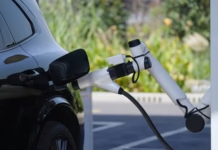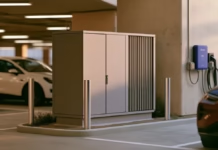


Robotaxi operators need fast, reliable, and scalable charging infrastructure. Manual plug‑in processes slow down fleets and increase costs. Rocsys has unveiled the M1, the world’s first multi‑bay hands‑free charging solution for robotaxi operations. This system is part of a broader depot‑service platform designed for real‑world deployment. It has already been validated by a major robotaxi deal and is set for rollout across North America and Europe starting in 2027.
How the M1 System Works
The Rocsys M1 is an overhead rail‑mounted robotic charging system. It can serve up to ten parking bays from a single unit, improving throughput and reducing labor needs. Flexible mounting options include ground‑ and roof‑mounted configurations that fit almost any depot layout. The overhead design preserves full floor space and allows parallel activities such as cleaning and inspection. Vehicles can charge without blocking other depot operations.
Rocsys M1 Hands‑Free Charging system uses AI‑enhanced computer vision and motion intelligence. Cameras and sensors detect each vehicle’s position and connector location. The robotic arm then maneuvers to the correct spot, plugs in, and disconnects without human help. This approach achieves a 99.9%+ plug‑in success rate in live environments. The technology has been trained on more than six years of real‑world data and edge cases.
It is designed to work across mixed electric fleets and different charger types. The long‑reach arm can connect to various inlet positions and connector standards. This interoperability means no costly retrofitting or supplier lock‑in. Operators can run different vehicle types within the same depot using one platform. The modular architecture also makes it easy to add more bays as the fleet grows.
Productivity and Cost Benefits
One of the main value propositions of the Rocsys M1 Hands‑Free Charging is operational efficiency. A depot with 50 parking bays can see up to 75% higher efficiency from existing staff. Employees no longer need to walk long distances to plug in each vehicle. They can focus instead on cleaning, inspection, and minor repairs. This shift reduces stress, improves job quality, and lowers turnover.
Economically, the system can deliver up to 1.7 million dollars in annual savings for a medium‑sized depot. These savings come from lower labor costs, fewer accidents, and higher vehicle uptime. Fewer charging‑related disruptions mean more trips per day per vehicle. Over time, the capital investment in Rocsys equipment pays back through improved utilization and lower operating expenses.
Energy use also becomes more predictable and manageable. The system can integrate with local grid‑management tools and smart‑charging software. Operators can schedule charging during off‑peak hours or when renewable energy is abundant. This flexibility helps relieve strain on the local grid and supports wider EV adoption.
Series A Extension and Strategic Backing
Rocsys has also announced a 13 million dollar Series A extension to support M1 Hands‑Free Charging. The round is led by Capricorn Partners, with participation from Scania Invest, Forward.One, SEB Greentech Venture Capital, and Graduate Ventures. This brings the company’s total funding to 56 million dollars. The capital will help scale hardware manufacturing, software development, and global deployment.
Capricorn Partners focuses on innovative European companies in digital, health, and cleantech sectors. The firm sees robotaxi operations at a critical inflection point. Infrastructure will decide how quickly and efficiently fleets can scale. Rocsys provides the system layer that connects vehicles, chargers, and operators. Capricorn aims to help Rocsys expand its platform and service footprint.
Scania Invest is the global venture‑capital arm of truck and bus manufacturer Scania. Its mission is to support technologies that advance sustainable transport systems. The investors note that Rocsys tackles a key infrastructure bottleneck for autonomous vehicles. Scania values reliability, uptime, and long‑term operational experience. Rocsys’ track record in ports and high‑duty environments aligns well with Scania’s focus.
Integration into the Rocsys Platform
The M1 is not a standalone robot; it is part of the Rocsys Platform ecosystem. This platform combines hardware, software, and services for autonomous fleet operations. A central Rocsys Portal gives operators real‑time visibility into depot activity. Managers can monitor charging status, vehicle readiness, and system health from one dashboard.
The platform exposes APIs so fleet or depot management systems can integrate smoothly. Vehicle‑scheduling software can trigger charging automatically when a car returns. Operators can build custom workflows that link charging, cleaning, and maintenance. Remote monitoring and predictive‑service tools reduce unplanned downtime. If an issue arises, field support can respond quickly with remote diagnostics.
Hardware and software updates are rolled out over the air as needed. The AI‑enhanced computer vision models improve over time with more data. Each new edge case or vehicle type helps the system adapt. This data‑driven approach strengthens reliability and keeps the platform tuned to real‑world conditions. With over 130 granted patents and pending applications, Rocsys is building a defensible technology stack.
Broader Market and Industry Impact
The global robotaxi market is projected to reach 45.7 billion dollars by 2030. As fleets grow, depots become dense hubs of energy demand and data flow. Manual charging cannot keep up with this scale. Rocsys positions the M1 as the missing link between pilot programs and global deployment. It removes one of the last human‑dependent steps in the workflow.
Unlike private EVs that charge at home or scattered public stations, robotaxis rely on centralized hubs. These hubs can act like mobile energy grids. They smooth out charging spikes and support grid‑balancing services. This kind of managed charging is especially important in cities with constrained transformers and cable capacity. Reliable infrastructure makes it easier for regulators and utilities to endorse large fleets.
Beyond robotaxis, the platform is already used in ports and distribution centers. These environments share many traits with robotaxi depots. They need high‑duty, weather‑resistant equipment and continuous operation. Lessons from ports inform how Rocsys designs for lighting changes, weather, and misaligned vehicles. That experience transfers directly to robotaxi applications.
Key Features and Advantages in List Form
- Modular multi‑bay design serving up to ten bays per overhead unit
- Overhead rail‑mounted system that preserves floor space and enables parallel activities
- 99.9%+ plug‑in success rate in live, high‑duty environments
- Interoperability across mixed EV fleets and charger types without retrofitting
- AI‑enhanced computer vision and motion intelligence for automatic plug‑in and removal
- Seamless integration with existing fleet‑management and depot software via APIs
- Central Rocsys Portal for real‑time monitoring and proactive maintenance alerts
Future Outlook for Autonomous Fleet Charging
As robotaxi pilots turn into city‑wide operations, charging infrastructure will be a competitive differentiator. Fleets that run more trips per day at lower cost will dominate. Rocsys aims to become the standard layer that connects autonomous vehicles to the grid. Its technology unlocks larger, safer, and more sustainable fleets. The M1 is the first major step toward that vision.