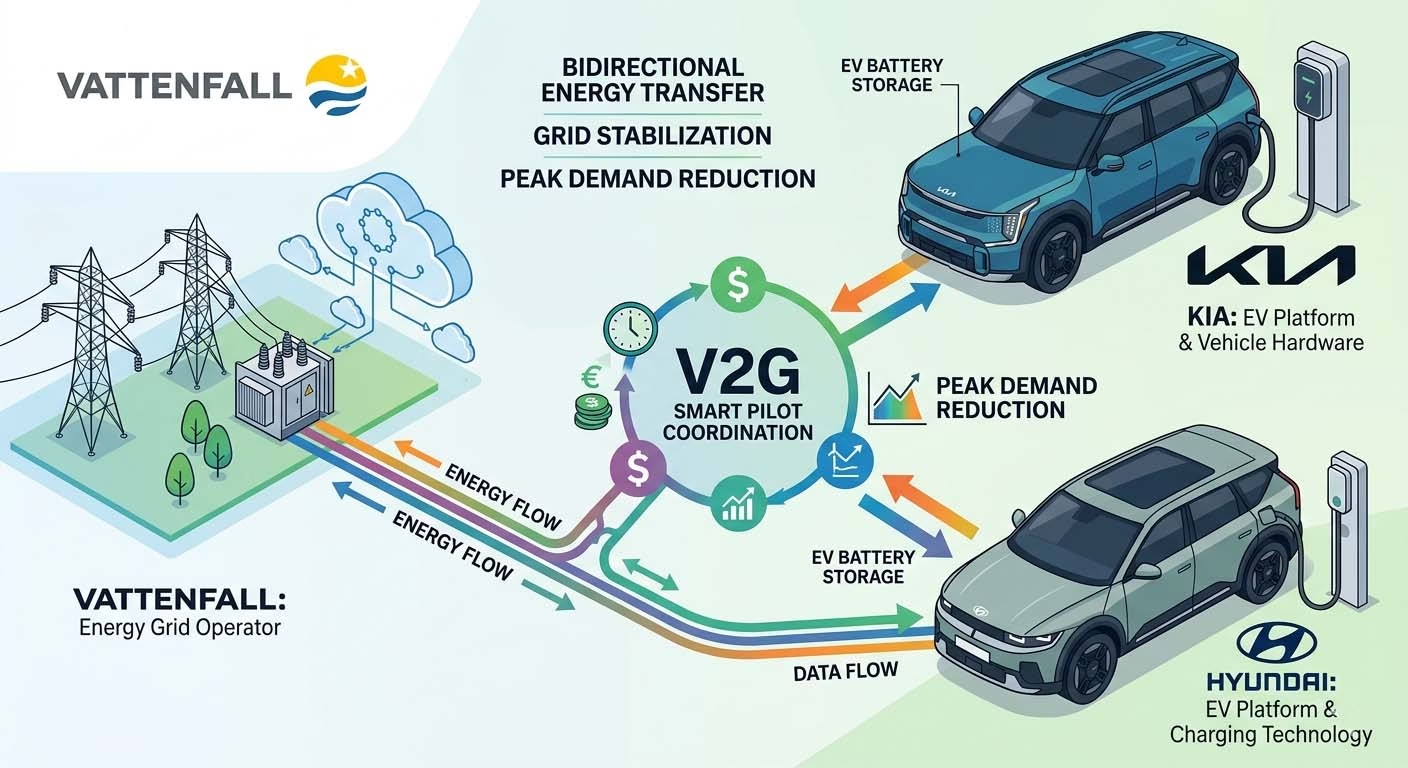

Vattenfall Netherlands initiated an experimental bidirectional power framework. This grid balancing framework operates through an active partnership. The enterprise collaborates directly with Kia and Hyundai. This setup establishes automated energy transmission networks. Specifically, the initiative addresses rising grid congestion. Electric vehicles now operate as distributed grid buffers. They exchange energy dynamically with regional grids. This process relies heavily on vehicle to grid infrastructure.
The core technology enables two-way current flow. Traditional systems only draw energy from local stations. Bidirectional stations reverse this mechanical energy transfer. Therefore, parked vehicles can discharge accumulated power. The energy goes directly back into networks. This capability transforms transportation assets into storage nodes. The process stabilizes the grid during stress. Peak demand hours cause major technical difficulties. Mobile storage units resolve these distribution issues.
Automotive batteries offer significant capacity benefits. Standard domestic storage units hold minor volumes. They usually provide ten kilowatt hours. Modern sports utility vehicles possess massive alternatives. These vehicle systems often exceed ninety kilowatt hours. This specific project unlocks immense structural flexibility. The program scales up regional storage networks. It creates highly responsive energy distribution markets.
Participating Households and Target Demographics
The pilot targets eighty selected Dutch households. Participants must own specific electric vehicles. The program requires a Kia EV9. Alternatively, users can own a Hyundai IONIQ 9. Each household receives advanced grid hardware. The companies provide a bidirectional charging point. Professional field engineers handle the physical installation. This hardware allows safe reverse energy flows. It connects domestic properties to regional substations.
The financial framework provides substantial consumer incentives. The trial continues for six months. Participants receive complete direct home charging reimbursements. The total financial compensation reaches five hundred euros. This package offsets the domestic electricity expenditures. The structure encourages active community participation. It rewards owners for sharing mobile power. This setup protects consumer interests throughout.
Consumer lifestyle parameters remain entirely unaffected. Vehicle owners maintain complete operational oversight. Users define their specific travel parameters. They select exact departure times beforehand. They also set minimum battery parameters. The automation system respects these settings. The vehicle never drops below limits. Mobility needs always take top priority. The system operates quietly in the background.
System Roles and Technical Control Matrix
The collaborative framework divides technical responsibilities. Kia and Hyundai deliver specialized hardware and the manufacturers supply the compatible electric cars. They also provide matching charging technology. A custom smartphone application handles user interactions. This application gives real-time session visibility. Users track their exact transfer metrics. They observe daily battery performance easily.
Vattenfall manages the overarching energy distribution. The utility provider controls the discharge cycles. The system adjusts flows based on demand. Automated algorithms regulate the transfer speeds. The software monitors local substation loads. It triggers power injection during scarcity. This optimization keeps regional grids safe. The network operates without manual intervention.
The discharge window targets peak evening hours. The system delivers power from four afternoon. This transmission continues until nine evening. These hours create maximum grid stress. Domestic appliance usage surges during this time. The vehicle batteries discharge concentrated power then. This process minimizes fossil fuel plant activation. It lowers total grid operating costs.
Overcoming Modern Grid Management Challenges
Grid operators face massive infrastructural changes. Modern power grids integrate intermittent renewables. Solar and wind systems cause unpredictable supply. Weather shifts create sudden generation drops. Simultaneously, total power consumption increases quickly. This combination triggers dangerous frequency fluctuations. Traditional distribution hardware struggles with these shifts.
Mobile battery storage units resolve balance issues. Vehicle integration creates a flexible reserve. The aggregate capacity provides instant grid support. Millions of connected vehicles amplify this effect. They form a giant virtual power plant. This structure handles rapid generation shifts. It prevents localized blackouts effectively. The architecture enhances overall energy security.
Autonomous software layers make optimization possible. The aggregator platform coordinates thousands of vehicles. It reads real-time wholesale price indicators. The system charges batteries during high supply. It discharges energy when prices spike. This economic model benefits utility operators. It lowers overall electricity acquisition expenses. The system stabilizes regional grid operations.
Strategic Electric Vehicle Fleet Integration
Automotive manufacturers redesign their electrical architectures. Early electric cars lacked bidirectional capabilities. Their onboard chargers only accepted incoming current. Modern platforms utilize eight hundred volt architectures. This high voltage setup enables fast transfers. It supports rapid incoming and outgoing flows. The design maximizes total thermal efficiency.
The integration follows a clear operational sequence:
- The user parks the vehicle and connects it to the smart wallbox.
- The driver specifies travel parameters and minimum charge limits through the app.
- Automated software monitors real-time regional electricity demand variations.
- The system initiates controlled battery discharge during peak evening stress windows.
The physical placement of vehicles creates opportunities. Passenger cars remain stationary most hours. They sit unused in workplace lots. They park for hours in residential driveways. This idle state represents wasted capacity. Bidirectional infrastructure activates these quiet resources. The strategy utilizes existing battery investments. It prevents heavy raw material consumption.
The system protects long-term battery health. Smart charging software controls cycle depth. It prevents extreme depth of discharge. The system operates within safe voltage windows. This careful management limits cell degradation. The process maintains full factory vehicle warranties. Owners contribute without risking vehicle lifespan. The approach ensures reliable long-term operations.
Future Expansion Pathways for Bidirectional Tech
European energy providers scale these frameworks. Vattenfall tests similar systems in Sweden. That Scandinavian project involves larger vehicle numbers. It deploys two hundred bidirectional units. The project uses specialized software automation. It explores multiple balancing market segments. These trials validate international software standardization.
Cross-sector cooperation accelerates infrastructure deployment. Vehicle builders must align with utility providers. Regulatory bodies must update distribution rules. Standardized communication protocols ensure seamless data exchange. These protocols connect vehicles to local grids. They allow secure payment settlement processing. The framework builds a unified marketplace.
Distributed energy storage redefines consumer relationships. Vehicle owners become active market participants. They shift from passive energy consumers. They transition into active power suppliers. This shift lowers individual transport expenses. It accelerates clean energy transition efforts. The technology transforms global mobility networks.
Sources: Hyundai Motor Europe, Kia Europe, Vattenfall